


The material was prepared by the research team of the cultural heritage project «Jewish Heritage in Ukraine: Interdisciplinary Reflections through the Prism of Archival Documents, Culture, History, and Literature», implemented by the National University of Kyiv-Mohyla Academy with the support of UNESCO and the European Union.
The development of this page forms part of the project research and archival activities and is aimed at bringing Beregovsky’s legacy into contemporary academic and public discourse. The material was created using an interdisciplinary approach that combines history, cultural studies, and archival work.
Moisei Beregovsky was a pioneer in the systematic study of Jewish folk music in Ukraine. His long-standing scholarly work encompassed folklore expeditions, the transcription and analysis of musical traditions, and the collection of texts, melodies, and contextual information concerning Jewish musical practices, particularly in shtetls and urban communities. It is thanks to Beregovsky’s efforts that unique evidence of a vibrant cultural tradition has been preserved, much of which was later destroyed as a result of the Holocaust and Soviet repressive policies.
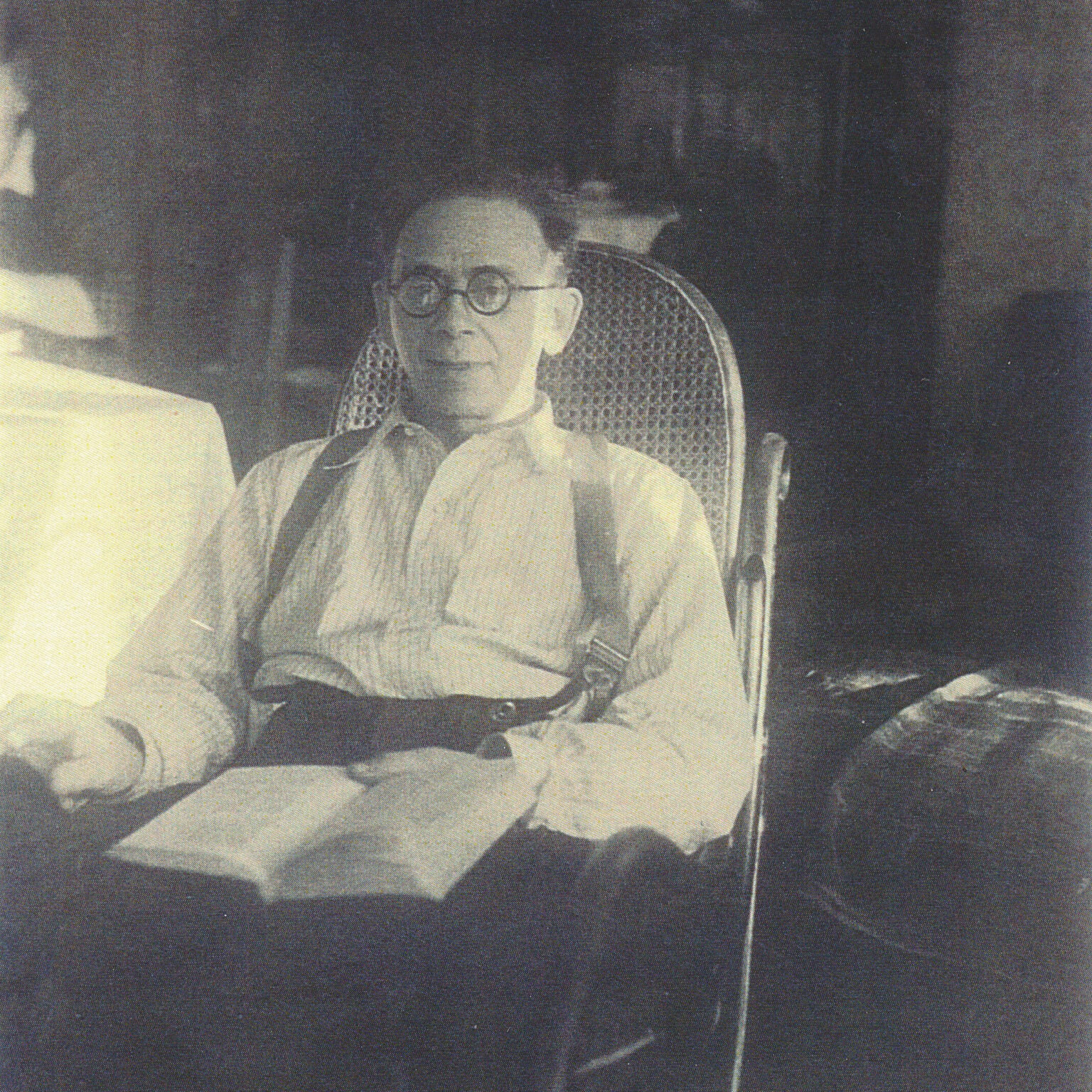
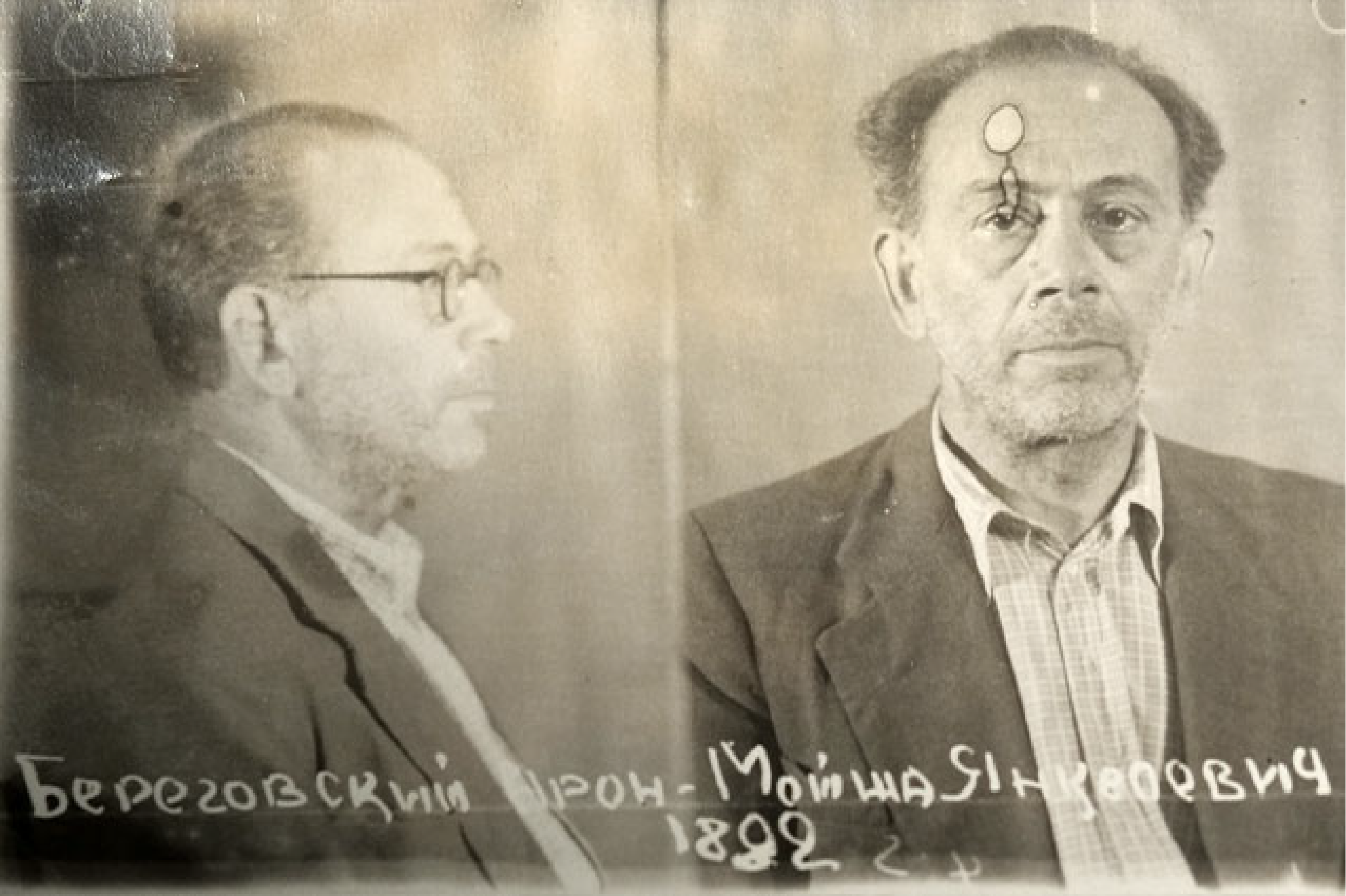
Moisei (Moshe Aaron) Beregovsky Prison photograph
You can explore the archive in greater detail on the website of the Virtual Museum of Jewish History and Culture of Ukraine.
The new page of the Virtual Museum presents Beregovsky’s archive as a comprehensive cultural and scholarly phenomenon. It focuses not only on the archival materials themselves, but also on the historical circumstances of their creation, the intellectual milieu of the interwar period, and the dramatic fate of Jewish scholars in the Soviet Union. Beregovsky’s work is closely connected to broader processes of Jewish cultural modernization, the activities of cultural institutions, and the intellectual currents that emerged around Jewish educational and artistic initiatives throughout the twentieth century.
An important aspect of this page is its reconsideration of Beregovsky’s legacy beyond the Soviet narratives that shaped its interpretation for decades. The repressions of the late 1940s, the scholars arrest, and the destruction of the institutions within which he worked interrupted the development of an entire scholarly tradition. At the same time, these materials now make it possible to reintegrate this heritage into contemporary academic and cultural discourse.
The page dedicated to Moisei Beregovsky fits organically within the concept of the Virtual Museum of Jewish History and Culture of Ukraine-an open digital platform that brings together academic research, archival sources, artistic heritage, and the memory of a complex historical experience. The Museum explores the traditional life of Jewish communities, the phenomenon of the shtetl, the development of culture, art, and education, the modernization processes of the twentieth century, as well as the solidarity between Ukrainian and Jewish intellectuals during periods of repression, the Holocaust, and the post-war dissident movement.
Beregovsky’s archive is a valuable resource for contemporary researchers, artists, and anyone seeking a deeper understanding of Ukraine’s multifaceted Jewish heritage. Its materials offer an opportunity to hear the voices and melodies that were meant to disappear but survived thanks to the dedicated efforts of a single scholar.
The Virtual Museum is currently undergoing active development and is gradually being enriched with new galleries and materials. The launch of the page dedicated to Moisei Beregovsky marks another step toward restoring important names, archives, and historical narratives to the shared cultural space.
All publications produced within the framework of the project are organized with the financial support of the European Union. Their content is the sole responsibility of the project partner and does not necessarily reflect the views of the European Union.